

TravelVantage Tours Joins in Celebrating 70 Years of Black Cowboy Excellence: The Roy LeBlanc Invitational Rodeo in Okmulgee, Oklahoma!
Updated: Aug 12, 2025
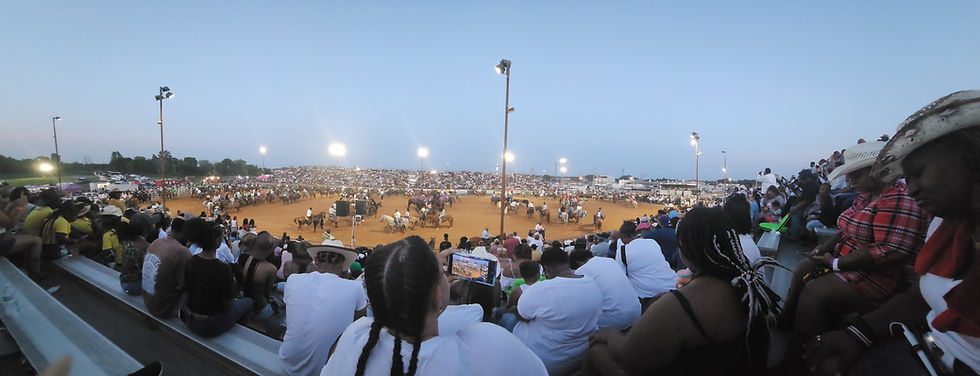
Experience the rich heritage and thrilling competition of America's longest-running invitation-only African American rodeo with TravelVantage Tours!
This past weekend, the small town of Okmulgee, Oklahoma, once again became the epicenter of African American rodeo culture as thousands of cowboys, cowgirls, and fans gathered at the Bob Arrington Rodeo Arena for the 70th Roy LeBlanc Invitational Rodeo. Known as the "daddy of them all," this remarkable event represents seven decades of preserving, celebrating, and advancing the often-overlooked legacy of Black cowboys in American history.
A Legacy Born from Determination
The story of the Roy LeBlanc Invitational begins in the 1950s with a moment of exclusion that sparked a movement. When Roy LeBlanc was denied entry to an Oklahoma rodeo simply because of his race, he didn't retreat—he revolutionized. Joining forces with 22 other Black men, LeBlanc launched what would become Oklahoma's longest-running, invitation-only African American rodeo in 1955.
"People wanted to see Black cowboys," said rodeo organizer Kenneth LeBlanc. "They said they could turn on the TV and watch white cowboys all day long in rodeos. But they'd seen very few Black contestants. They just didn't know there were Black cowboys."
This grassroots beginning has evolved into a multi-generational cultural anchor, lovingly maintained by three generations of the LeBlanc family, including Roy's father Charles and sons Kenneth and Clarence of Okmulgee.
The Hidden History of Black Cowboys
The Roy LeBlanc Invitational serves as a living testament to a crucial but often forgotten chapter of American history. Historians believe that African Americans made up about 25% of the cowboy population in the 1800s, yet their contributions have been largely erased from popular narratives of the American West.
In antebellum Texas, when slaves were as likely to be forced to work cattle and horses as cotton, "whites were referred to as 'cowhands' and African Americans were called the more pejorative 'boy' or 'cow boy.'" Ironically, the term "cowboy" itself originally applied specifically to African Americans working with cattle.
After the Civil War, Black cowboys found better opportunities on the open range, where they experienced less open discrimination than in the city. They worked as horsebreakers, cattle drivers, and ranch hands, with some eventually becoming lawmen, rodeo performers, and ranch owners themselves.
Legends Who Shaped the Sport
The rodeo arena has been graced by some of the most legendary figures in cowboy history. Bill Pickett, the legendary Black cowboy and Oklahoma icon, turned bulldogging into a popular rodeo event called steer wrestling. Pickett's innovative technique involved jumping on a steer, biting its nose, grabbing its horns, and wrestling it to the ground—though modern competitors skip the biting part!
The LeBlanc Invitational has served as a launching pad for numerous champions. Many first-time world champions have come through the Okmulgee-based invitational on their way to professional contests, including:
Clarence LeBlanc: The first African American to win a world title in professional steer wrestling and son of founder Roy LeBlanc
Myrtis Dightman: The 90-year-old bull rider known as the "Jackie Robinson of Rodeo," who was the first African American to compete at the National Finals Rodeo
Fred Whitfield: An eight-time world champion calf roper who retired in 2019
Charlie Sampson: Known as the "Compton Cowboy of Los Angeles," who became the first African American to win a world title in professional rodeo in 1982
The 2025 Celebration: A Milestone Weekend
This year's 70th anniversary celebration was particularly special, marked by a community-wide "white out" where attendees donned white clothing as a symbol of unity and celebration. The weekend featured the traditional Saturday afternoon parade through downtown Okmulgee before the evening's competition at the Bob Arrington Rodeo Arena.
The competition showcased classic rodeo events including:
Steer Wrestling: The signature event popularized by Bill Pickett
Barrel Racing: High-speed precision riding around obstacles
Calf Roping: A test of speed and accuracy
Bull Riding: The ultimate test of courage and skill
Steer Undecorating: A modified version for women competitors who grab ribbons instead of wrestling steers
Pony Express Relay: A thrilling team race paying tribute to the historic mail service
Why Did TravelVantage Tours Visit Okmulgee for the Roy LeBlanc Invitational?
Cultural Significance
The Roy LeBlanc Invitational offered visitors a unique opportunity to witness living history!
Authentic Western Experience
Unlike commercialized rodeos, this invitation-only event maintains the intimate, community-centered atmosphere that has defined it for seven decades. The competition draws over 200 athletes who compete at various events throughout the year!
The Continuing Legacy
The Roy LeBlanc Invitational represents more than just a rodeo—it's a vital link to an often-forgotten chapter of American history. As modern movements like the Compton Cowboys, Oakland Black Cowboy Association, and New York City Federation of Black Cowboys work to preserve and celebrate Black cowboy culture, events like the LeBlanc Invitational serve as powerful reminders of the diverse heritage that built the American West.
Planning Your Visit with TravelVantage Tours
The Roy LeBlanc Invitational takes place annually on the second weekend of August at the Bob Arrington Rodeo Arena in Okmulgee, Oklahoma. TravelVantage Tours can help you plan the perfect trip to experience this remarkable celebration of American heritage.
Contact TravelVantage Tours at info@travelvantagetours.com to start planning your journey into the remarkable world of Black cowboy heritage. Experience the thrill of authentic rodeo competition while learning about the unsung heroes who helped shape the American West!
Source: The Oklahoma Eagle (https://theokeagle.com/2025/08/07/roy-leblanc-invitational-rodeo-black-cowboys-okmulgee)
Comments